Flooded Basement Cleanup for Denver Homeowners
Request an estimate for your basement
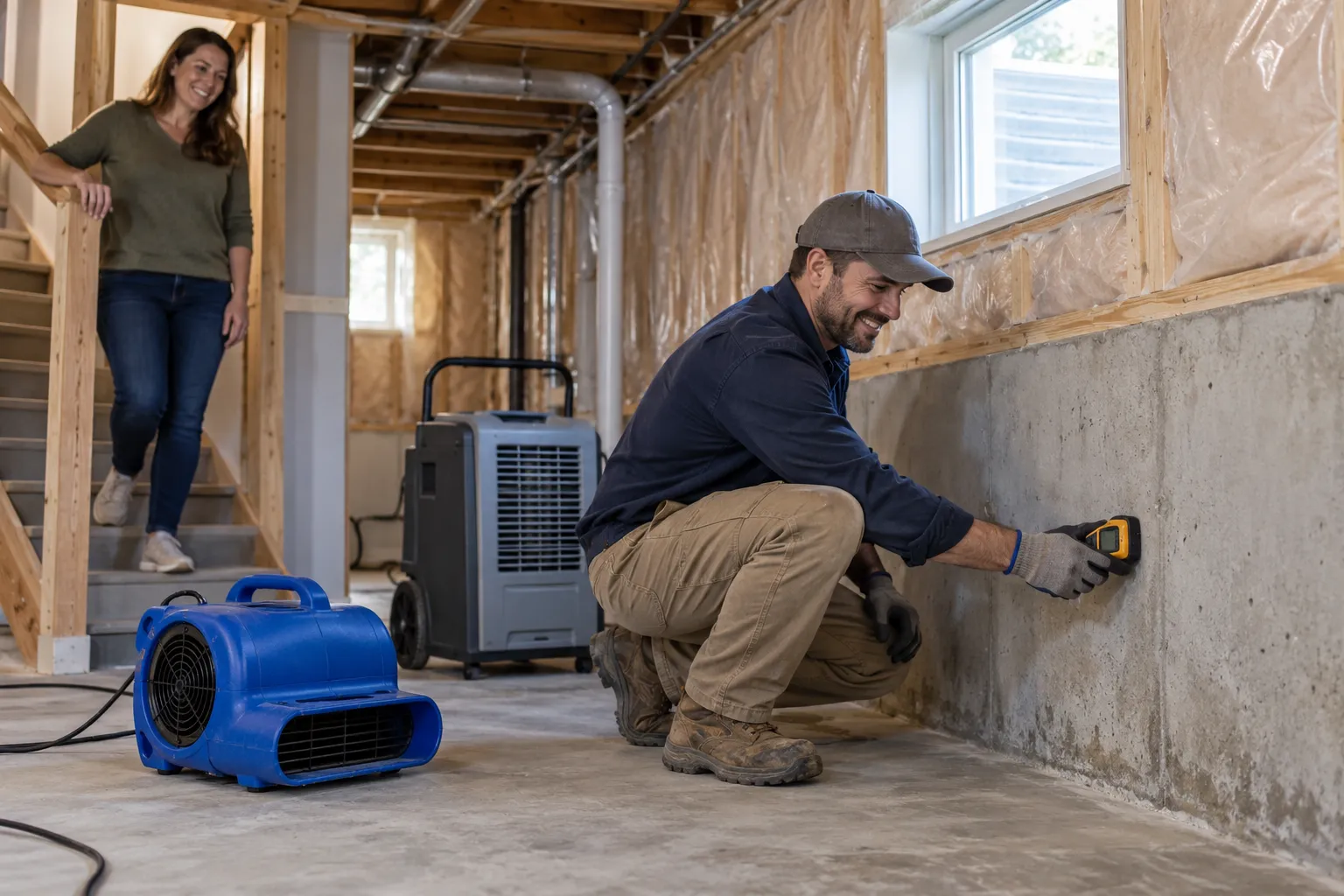
A flooded basement can feel like it has taken over the whole house. Exitaccounting Restoration is a referral service that connects Denver and the Denver metro area homeowners with independent local providers who handle flooded basement cleanup. We do not do the work ourselves. The provider does.
Heavy snow, fast spring melt and summer hail can all send water downstairs. Basements are common in newer frame homes here, so the problem is familiar to local providers. Tell us what happened, and a provider can talk through water extraction, drying and cleanup, plus a plan that fits your schedule. Estimates come in writing, and there is no obligation.
Water in the Basement? Safety Comes First
Take a breath, then look before you step. Standing water and electricity are a risky mix. If water is near outlets, a panel or plugged-in cords, stay out. Turn off power only if you can reach the panel while standing on dry ground. If you cannot, ask your utility or an electrician for help.
Keep children and pets upstairs. Floodwater can carry germs, so wear boots and gloves if you must go down. Skip the household shop vacuum on deep water. It is not made for that job.
Find Out Where the Water Came From
The source shapes the whole job. Common causes include melting snow, a stalled sump pump, a split supply line, a leaking water heater or a sewer backup. Clean water from a pipe is a simpler cleanup than water that rose through a floor drain.
If you can, stop the source. Close the main shutoff for a burst pipe. Jot down what you saw and take a few photos. The provider will ask.
Why Basement Floods Need Quick Action
Basements trap moisture. Concrete holds it, and framing, drywall and carpet soak it up like a sponge. Within a couple of days, damp materials can start to grow mold. Odors follow, and so do bigger repairs.
That is why emergency water damage repair is worth arranging early. Many providers can respond quickly, though availability varies. Request a callback to check provider availability in your area.
When the Spring Melt Arrives
Fast spring melt is a common reason basements flood here. A winter of heavy snow load can release a lot of water in a short stretch, while the ground is still cold and slow to drain. The water then looks for the weakest spot, like a door, a window well or a crack.
When it is safe, move snow back from the foundation. Clear window wells and downspouts before the first warm spell.
Hail, Summer Storms and Dry Air
Hail can dent gutters and clog downspouts, so rain has nowhere to go. A sudden storm can then push water toward the foundation. Dry air can fool you, too. A basement may feel dry on top while wood and drywall stay damp underneath. A quick touch or sniff is not enough. Providers use moisture meters to check.
What Flooded Basement Cleanup Includes
Every job differs, but most follow a similar path:
- A safety check and a look at the water source
- Water extraction with pumps and wet vacuums
- Removal of wet carpet, pad and soaked drywall that cannot be saved
- Cleaning and sanitizing of floors and lower walls
- Structural drying with air movers and dehumidifiers
- Moisture readings to show when materials are dry
Pumping Comes First
Standing water goes first. Pumps handle deeper water, and wet vacuums finish the job. Removing the bulk early lowers the load on drying equipment. It also limits how long framing and the slab stay soaked.
Drying Takes Patience
Drying is more than a few fans. Providers place air movers and dehumidifiers, then track readings over several days. Stopping too soon can leave hidden damp spots. Ask when readings will be checked and who will share them with you.
Finished vs. Unfinished Basements
An unfinished basement is often simpler. Bare concrete and open framing dry fast and clean up easily. A finished space has more layers, such as flooring, pad, drywall, insulation and trim. Water can sit behind walls.
Providers may cut small openings to check and dry those cavities. Many newer frame homes have these hidden layers, so a careful look matters.
Plan Around Your Week
A flooded basement should not take over the whole household. Tell the provider about school runs, work shifts, naps and pets. Ask for a plan with set arrival windows, a clear list of who will be in the house, and which rooms they need to reach. Many families keep using the upper floors while the work goes on below.
Noise, Cords and Daily Life
Drying equipment is loud. Expect a steady hum from fans and dehumidifiers, plus extension cords running through the house. Ask about quieter placement and whether you can set up a calmer sleeping area. Also ask about power draw so a breaker does not trip on laundry day.
Your Belongings
Move what you can to a dry spot, starting with papers, photos and electronics. Hard items like plastic bins and metal tools often clean up well. Soaked cardboard, upholstery and rugs are harder to save. Take photos before you toss anything, and keep a list of what was lost.
After the Cleanup
Once readings look dry, rebuilding can begin. That may mean new drywall, paint, flooring or baseboards. Some restoration providers handle this, and others hand it off, so ask. Then look at the cause. A working sump pump, clear gutters and soil that slopes away from the house all help next season. Dry out, settle in.
Questions to Ask the Provider
- Is the water source stopped, or could it return?
- How will you remove the water and dry the structure, and for how long?
- Will you take moisture readings and share them?
- What is in the written estimate, and what could change it?
- How will you work around our schedule, kids and pets?
- Can you help document the damage for a claim?
A Word on Insurance
Some policies may cover sudden damage, such as a burst pipe, while seepage or surface flooding may be treated differently. Check your policy. Providers can often help document damage for a claim.
What's Included
Pump-out and water extraction
Pumps and wet vacuums clear standing water so the slab and framing stop soaking.
Wet material removal
Soaked carpet, pad and drywall that cannot dry in place are carefully taken out.
Cleaning and sanitizing
Floors and lower walls are cleaned, with extra care when the water was contaminated.
Drying checks
Moisture readings show when the structure is truly dry before rebuilding begins.
Typical Flooded Basement Cleanup Costs
These are typical U.S. ranges. Your price depends on water depth, square footage, water type and finishes. Ask for a written quote before work begins, and compare what each one includes.
| Item | Typical range | Notes |
|---|---|---|
| Water extraction | $500 – $2,500 | Depends on depth and basement size |
| Structural drying equipment | $1,000 – $4,000 | Several days of air movers and dehumidifiers |
| Wet carpet and pad removal | $300 – $1,500 | Priced by area and disposal needs |
| Drywall cut-out and disposal | $500 – $3,000 | More walls and insulation raise the price |
| Cleaning and sanitizing | $300 – $1,500 | Higher when water is contaminated |
| Sewage backup cleanup | $2,000 – $7,000 | Needs extra safety steps and disposal |
How It Works
Tell us what happened
Share where the water came from, how deep it is and when you first noticed it.
Get matched with a provider
A local provider in our network reaches out to talk through your situation.
Review the written plan
Check the scope, timing and price, and ask how it fits your schedule.
Dry out, then rebuild
The provider extracts water, dries the structure and confirms dryness with moisture readings.
Why Call Exitaccounting Restoration
Plans that fit your week
Providers can set arrival windows around school runs, jobs and sleep to keep life steady.
Local weather know-how
Local providers understand spring melt, hail and heavy snow loads that push water downstairs.
Clear estimates
Ask for a written estimate that lists the work, the equipment and what could change.
No-pressure matching
Requesting an estimate carries no obligation, and independent providers do the actual work.
Other Services
Need flooded basement cleanup in Denver?
Tell us what happened and where. A provider in our network can follow up with questions and a written estimate. No obligation.
No obligationFlooded Basement Cleanup FAQ
- How long does it take to clean up a flooded basement?
- It varies. Pumping out water can take hours, but cleanup and drying often take several days. Larger floods, finished basements and contaminated water take longer. Ask the provider for a timeline in writing, and ask how moisture readings will confirm that everything is dry.
- Can I clean a flooded basement myself?
- Small, clean leaks may be manageable. Deep water, sewage, electrical hazards or soaked drywall call for a provider with pumps, drying equipment and moisture meters. Hidden dampness can lead to mold, so many homeowners choose professional help.
- Does homeowners insurance cover a flooded basement?
- It depends on your policy and the cause. Some policies may cover sudden damage, such as a burst pipe, but treat flooding or seepage differently. Check your policy, and ask the provider to help document the damage.
Request a callback
Tell us what happened and where. A provider in our network can follow up with questions and a written estimate. No obligation.
No obligation