Water Damage Restoration Services for Denver Homeowners
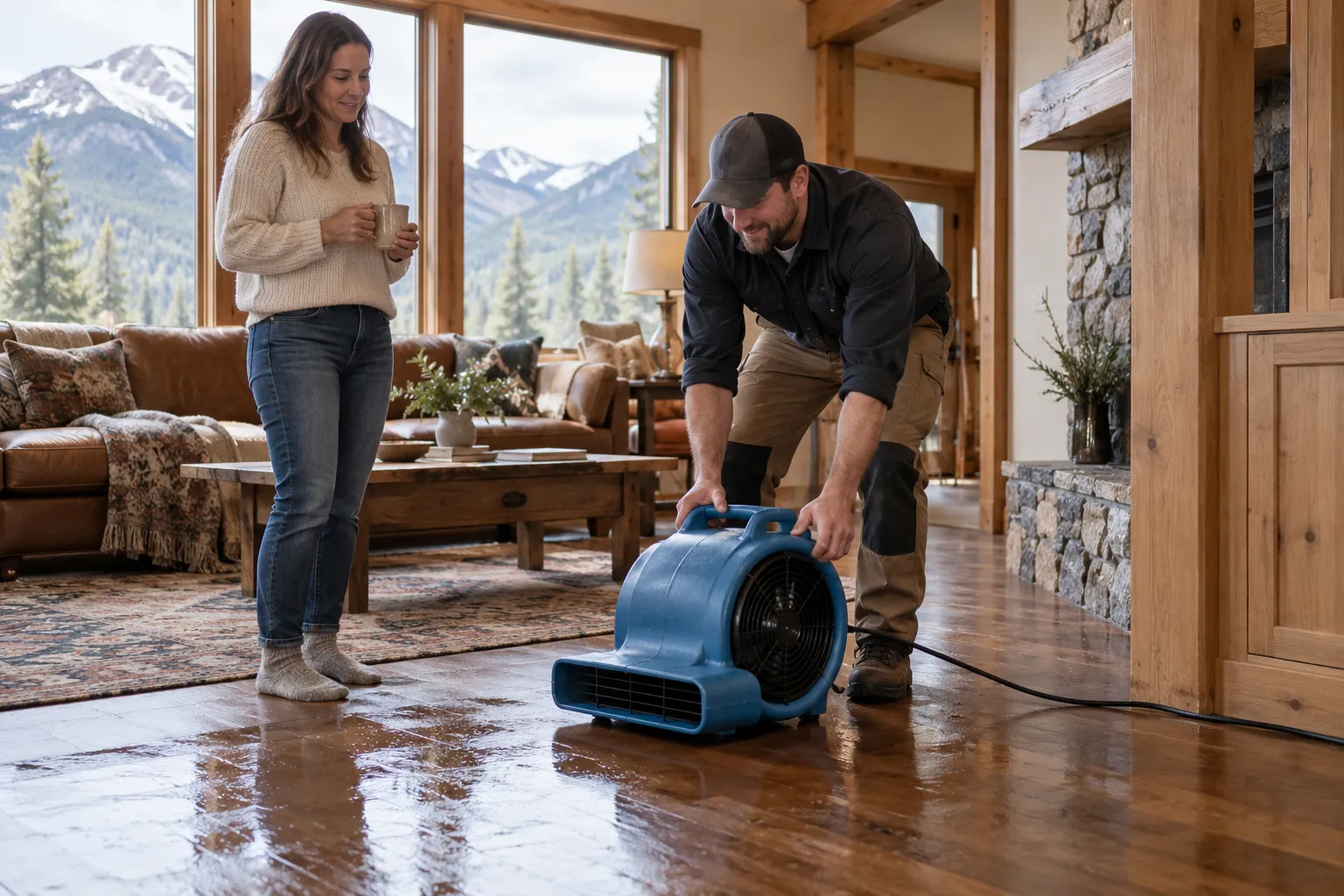
Water in the house is stressful, especially when school runs, work and sleep still need to happen. Water damage restoration is the full job of stopping the spread, removing water, drying the structure, cleaning, and repairing what could not be saved. It is done by independent providers, not by Exitaccounting Restoration.
Exitaccounting Restoration is a referral service for homeowners in Denver and the Denver metro area. Tell us what happened, and we pass your request to a local provider in our network. You can ask about scheduling, request a written estimate, and decide with no obligation. Plan around your week, and let the provider explain how the work will fit your household.
Found Water in Your Home? Start Here
You came home to a wet floor, a stained ceiling, or a damp wall. Take a breath. This can be fixed, and the first steps are simple.
If it is safe, stop the source. Shut off the main water valve for a burst pipe or a failed appliance line. Stay away from wet areas near outlets and cords. If you can do it safely, turn off power to that part of the house. If the water is deep or a ceiling is sagging, stay out and get advice first.
Next, take photos and video of everything. They help with estimates and with any insurance claim later.
Request a callback to check provider availability in Denver and the Denver metro area. A local provider can also tell you what to do while you wait.
Why Timing Matters With Wet Materials
Wet drywall, carpet pad and framing start to break down fast. In a warm, damp space, mold can begin to grow within a day or two. Newer frame homes use plenty of wood and paper-faced board, and both soak up water like a sponge.
Dry regional air can fool you. A wall may feel fine on the surface while the cavity behind it stays wet. That is why providers use moisture meters instead of trusting touch alone.
Many providers can respond quickly, but availability depends on the day and the weather. Ask early.
What Restoration Covers
A complete job usually has several parts. Not every provider offers all of them, so ask what is included.
- Finding the source and mapping how far the water spread
- Removing standing water and soaked materials
- Drying the structure with air movers and dehumidifiers
- Cleaning and sanitizing affected areas
- Checking moisture levels until the building is dry
- Repairs such as drywall, paint and flooring
Some providers handle the rebuild themselves. Others finish the drying and hand off to a contractor you choose.
Types of Water and Why They Matter
Not all water is the same, and the type changes the plan.
Clean water comes from a broken supply line or a leaking faucet. It is the simplest to handle, but it can turn into a bigger problem if it sits.
Gray water comes from a washing machine, dishwasher or sink drain. It carries some soap and germs.
Black water includes sewage, rising ground water and storm runoff. It is unsafe to touch. Do not try to clean it up yourself. Keep kids and pets away.
Water that has sat for a couple of days can slip into a worse category. That is one more reason to move early.
Season by Season: What the Weather Does to Your Home
In winter, heavy snow loads can strain roofs, and ice dams push meltwater under shingles. Pipes can split in deep cold and show the damage only when things warm up.
Spring brings fast melt. Water runs toward foundations, and basements, which are common here, take the hit. Hail can chip roofing and crack stucco, so later rain finds a way in.
Summer storms can overwhelm gutters and window wells. Fall is a good time to check roofs, downspouts and appliance hoses before the snow returns.
Providers know these patterns. Ask what they see most often at this time of year.
Plan Around Your Week
Busy households need a plan that does not take over the house. Before you agree to anything, ask a few practical questions:
- Which rooms will be worked on first, and which stay usable?
- What hours will the crew be on site, and can they work around school drop-offs?
- How loud will the drying equipment be at night?
- How should we handle pets, toddlers and work-from-home calls?
- When will someone come back to check readings?
Dry out, settle in. A good provider will explain the schedule in plain words and write it down.
What Drying Looks Like Day to Day
After the water is removed, fans and dehumidifiers run for several days. Drying times vary with the size of the loss, the materials, and the weather outside. The equipment hums, so ask where it will be placed.
A provider usually returns to take new moisture readings. When the numbers reach the dry target, the equipment comes out. Only then is it wise to close up walls or lay new flooring.
Working With Your Insurance
Some policies may cover sudden damage, such as a burst pipe. Slow leaks and groundwater are often treated differently, so check your policy and ask your agent.
Providers can often help document damage for a claim. Share your photos, keep receipts, and save any damaged items until the adjuster says otherwise. Ask for a written scope of work you can send to your insurer.
Choosing a Restoration Provider
Take a few minutes to compare. A calm choice beats a rushed one.
- Ask for a written estimate that lists the work and the equipment
- Ask whether they hold the licenses and insurance required in your area
- Ask how they measure and record moisture
- Ask who does the repairs and who stands behind them
- Ask how they will keep the schedule around your household
A provider who answers clearly is a good sign. Pressure to sign on the spot is not.
Mistakes That Make Things Worse
Skip the household vacuum on wet carpet. Do not use ceiling fixtures under a bulging ceiling. Do not blast the heat to dry hidden areas, since that can speed up mold in some cases. And do not wait for a musty smell to fade on its own. It rarely does.
Getting Your Home Back to Normal
Once the structure is dry, repairs begin. That might mean new drywall, fresh paint, baseboards or flooring. Ask for a clear order of work and an end date you can plan around.
Walk through the finished rooms with the provider. Keep your paperwork in one folder for insurance, resale and future repairs.
How Exitaccounting Restoration Fits In
Exitaccounting Restoration is a referral service. We do not do the restoration work. We connect homeowners in Denver and the Denver metro area with independent providers in our network, then step back so you can decide with no obligation.
If you have a few questions or want to compare options, request an estimate and a provider can follow up.
What's Included
Water Removal
Pumps and extractors pull standing water from floors and low spots so the drying stage can begin on solid footing.
Structural Drying
Air movers and dehumidifiers dry walls, subfloors and framing until moisture readings reach a safe level.
Cleaning and Sanitizing
Affected surfaces are cleaned, and unsalvageable materials are removed so odors and mold have less to feed on.
Repairs and Rebuild
Drywall, paint, flooring and trim are replaced once the home is dry, either by the provider or a contractor.
Typical Water Damage Restoration Costs
Prices depend on the size of the loss, the type of water, and the materials involved. These are typical U.S. ranges only. Ask for a written quote before work begins, and compare scopes, not just totals.
| Item | Typical range | Notes |
|---|---|---|
| Small clean-water cleanup | $500 – $2,500 | One room, quick removal, limited drying |
| Water extraction | $250 – $1,500 | Depends on depth and area covered |
| Structural drying | $1,000 – $4,500 | Equipment days and monitoring visits add up |
| Mold testing or treatment | $500 – $3,500 | Only needed if growth is found |
| Drywall and insulation replacement | $1,500 – $6,000 | Varies with how much must be removed |
| Large or multi-room loss | $5,000 – $15,000+ | Includes drying, removal and some repairs |
How It Works
Tell Us What Happened
Share the type of water, where it is, and what you have already done.
Get Matched With a Provider
Exitaccounting Restoration passes your request to an independent provider in our network.
Review the Written Estimate
Check the scope, schedule and price, and ask any questions before agreeing.
Dry Out and Repair
The provider removes water, dries the structure, and plans repairs around your week.
Why Call Exitaccounting Restoration
Local Providers
Independent providers near you know the area's weather, older and newer building styles, and typical problem spots.
Clear Estimates
Ask for written scopes so you can compare options without pressure.
Fits Your Routine
Providers can plan visits around school, work and sleep when you tell them early.
No Obligation
Request an estimate, ask your questions, and decide on your own timeline.
Other Services
Need water damage restoration services in Denver?
Tell us what happened and where. A provider in our network can follow up with questions and a written estimate. No obligation.
No obligationWater Damage Restoration Services FAQ
- How long does water damage restoration take?
- Drying often takes several days, and repairs can add days or weeks. Timing depends on how much water there was, which materials are wet, and the weather. A provider can give a schedule after inspecting.
- Does homeowners insurance cover water damage?
- Some policies may cover sudden damage like a burst pipe, but flooding and slow leaks are often treated differently. Check your policy and talk to your agent. Providers can often help document damage.
- Can I clean up water damage myself?
- Small clean-water spills can be handled yourself if you dry them fully. Larger losses, hidden moisture, or sewage and flood water are better left to a provider with proper drying equipment.
Request a callback
Tell us what happened and where. A provider in our network can follow up with questions and a written estimate. No obligation.
No obligation